TOOLS
Login to access your documents and resources.
In what will go down in history as the ‘year of elections’, 2024 presented a number of challenges for companies and investors to navigate. As long-term investors, we seek to cut through the noise and focus on the long-term fundamentals and unprecedented amounts of capital already in motion to finance the transition to a more sustainable world.
Read further for a summary of continuous enhancements to our ESG and impact management systems, portfolio-wide ESG and impact performance, as well as a deeper dive into our newest portfolio companies.
2023-2024 PE impact report highlights include:
- How we track and measure outcomes for an inclusive transition to a low carbon economy
- How we refined our approach to Portfolio-level data: ESG risk ratings
- Deep-dive data on...
- physical risks from a changing climate
- portfolio carbon emissions
- impact performance across our portfolio
- Updates on our impact management framework
Related insights

Institutional investors globally, whether or not they have net zero commitments, are eager to align with and prepare for the energy transition.
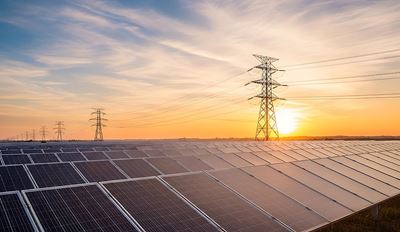
Over the past decade, several forces have combined to push electricity demand to new heights. The rapid expansion of data centers, the electrification of transportation and industry, and steady population growth are all driving up the need for reliable power. At the same time, the supply side is struggling to keep pace. Extreme weather events are becoming more frequent, and the grid’s growing reliance on variable renewable sources like solar and wind makes output less predictable. These factors together create a widening gap between what consumers need and what the grid can consistently deliver.

Fewer insurers are making significant changes to asset allocations, according to our fifth annual EQuilibrium global institutional investor survey.
Additional insights on how we invest for impact
Our private equity impact team